

Cosmetic
Composite bonding
Shape and shade corrected in a single visit, with no drilling.
- Who you will see
- Dr Annie Li, Dentist with a special interest in aesthetic dentistry and Invisalign
- Fees
- Every price is on the fee guide; a written plan follows your examination
- Hours
- Monday to Thursday 8am to 6pm, Friday and Saturday 8am to 5pm
- Where
- 5 Gipsy Hill, SE19 1QG, with parking outside

What is composite bonding and what can it fix?
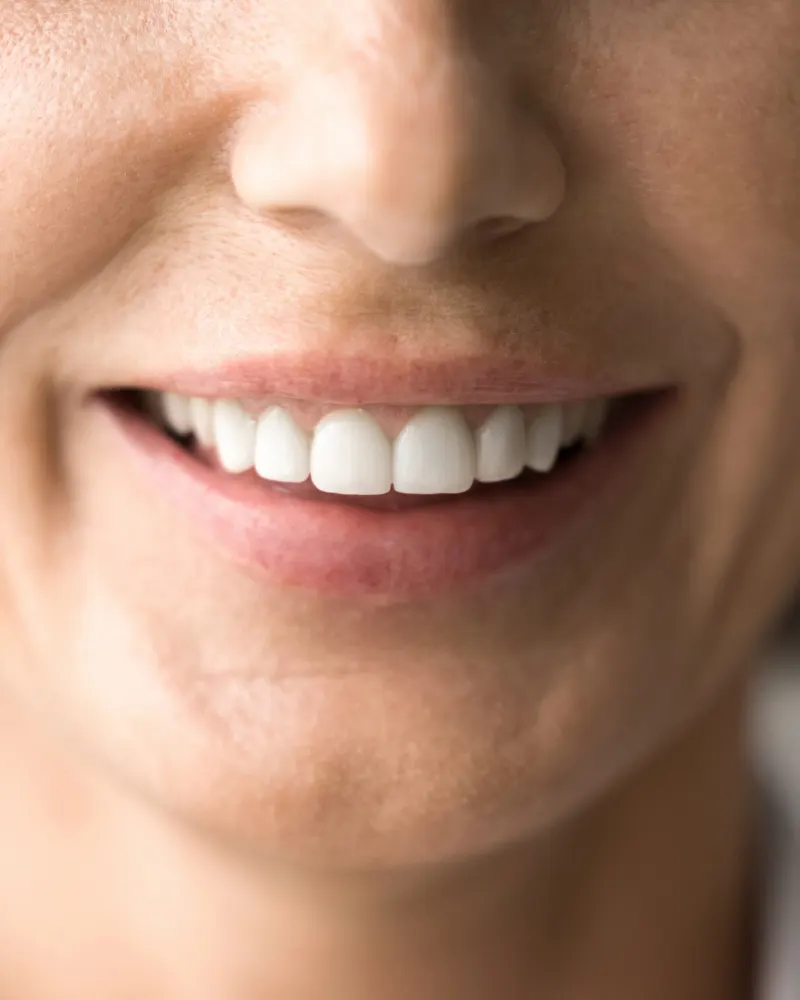
Composite bonding is a cosmetic treatment in which a tooth-coloured resin is applied to the surface of a tooth, then shaped and polished to blend with your natural teeth. Because the material is added rather than taken away, it’s one of the most conservative ways to improve a smile, and usually little or no enamel is removed.
Bonding works well for small to moderate changes, such as:
Chipped or worn edges. Rebuilding the corner or edge of a front tooth that has chipped or worn down over time.
Small gaps. Closing gaps between teeth, including a gap between the two front teeth.
Uneven or short teeth. Evening out teeth that are slightly different lengths or shapes so your smile looks more balanced.
Marks and discolouration. Covering small stains or marks on individual teeth that whitening doesn’t shift.
At your consultation we’ll look at what you’d like to change and tell you honestly whether bonding is the right tool for it.
Composite bonding or veneers: which is right for me?
Both treatments improve the shape and colour of the front teeth, but they suit different situations.
Composite bonding is built up directly on the tooth in the chair, usually in a single visit. It keeps as much natural tooth as possible, can be added to or repaired later, and costs less than veneers. It’s often the first thing a dentist suggests for chips, small gaps and minor reshaping.
Porcelain veneers are thin shells made in a dental laboratory and fitted over the front of the teeth. They need a small amount of enamel preparation and two or more appointments, but porcelain resists staining better and generally lasts longer. A dentist may suggest veneers when several teeth need a significant change in colour or shape, when teeth are heavily worn or discoloured, or when you want the longest-lasting result.
Some patients start with bonding and move to veneers later. If you’re weighing up the two, our dental veneers page explains that treatment in more detail, and we’ll talk you through both options at your consultation.

What happens at a composite bonding appointment?
Consultation first. We check that your teeth and gums are healthy, because any decay or gum problems need treating before cosmetic work. We talk about the result you’d like, and if you’re thinking about whitening, we’ll suggest doing it before bonding. Composite resin doesn’t change colour with whitening, so we match it to your final shade.
Preparing the tooth. On the day of treatment we choose a shade of composite to match your teeth. The surface of the tooth is gently roughened and a conditioning gel is applied so the resin bonds securely. Most patients don’t need an injection, because little or no drilling is involved.
Building and shaping. The resin is applied in thin layers, sculpted by hand, and each layer is set with a special light. Once the shape is right, the tooth is smoothed and polished so it catches the light like natural enamel.
How long it takes. Most teeth take around 30 minutes to an hour each, so a single tooth or a small group of teeth can often be finished in one visit. Larger cases may be split across two appointments. You can eat, drink and go back to work straight afterwards.

How long does composite bonding last?
With good care, composite bonding commonly lasts around five to seven years, and often longer, before it needs polishing, repairing or replacing. How long yours lasts depends on the size and position of the bonding and on your habits.
A few things can shorten its life:
Grinding or clenching. Night-time grinding puts heavy force on the edges of the teeth and is one of the most common reasons bonding chips.
Biting hard objects. Nails, pen lids, ice and opening packets with your teeth can all chip composite.
Staining foods and drinks. Composite can pick up stains from coffee, tea, red wine and curry over time. Smoking stains it quickly.
Skipping check-ups. Small chips and rough edges are easy to fix early, but they tend to get bigger if they’re left.
The good news is that bonding is simple to repair. A chipped edge can usually be topped up without redoing the whole tooth.

How should I look after my bonded teeth?
Looking after bonded teeth is much like looking after your natural teeth:
Keep up your routine. Brush twice a day with a fluoride toothpaste and clean between your teeth daily. Heavily abrasive or charcoal “whitening” toothpastes can dull the polish on composite, so a standard toothpaste is best.
Go easy on stains at first. For the first couple of days, try to limit coffee, tea, red wine and other strongly coloured food and drink while the surface settles.
Protect against grinding. If you grind your teeth, we may recommend a night guard to protect both your bonding and your natural teeth.
Keep your regular visits. Your dentist and hygienist will check your bonding and can polish it to keep it looking fresh.
If you notice a chip or a rough edge, get in touch and we’ll arrange a quick repair.

How much does composite bonding cost?
The cost depends on how many teeth are being treated and how much reshaping each one needs. You’ll find our current prices in our fee guide, and after your consultation you’ll receive a written treatment plan with your fees confirmed before any work begins.
Finance is available on cosmetic treatments, so you can spread the cost in monthly instalments. Ask us about it at your consultation.
Our bonding consultations are led by Dr Laraeb Nawaz (GDC 278470), who has a postgraduate diploma in restorative and aesthetic dentistry and a particular interest in minimally invasive cosmetic dentistry. We’re at 5 Gipsy Hill, SE19 1QG, a short walk from Crystal Palace station, and we welcome patients from Crystal Palace, Dulwich, West Norwood and across south London.
Why Choose Dentistry on Gipsy Hill for Composite Bonding?
Clinical excellence with artistry Family-run for 50+ years Honest advice, no pressure Whitening & veneers under one roof
Who you will see
Dr Annie Li
Dentist with a special interest in aesthetic dentistry and Invisalign · GDC 211409
I qualified from Kings College London in 2011 and since then have developed a great interest in aesthetic dentistry. Having completed one of the most prestigious aesthetic courses in the country — led by Dr Basil Mizrahi in 2018 — I carried out many different types of cosmetic cases such as composite build ups (reshapi
About Dr Annie“What a wonderful dental practice! Dentistry On Gipsy Hill has completely won me over. The dentists are absolute stars who consistently deliver sterling work.”
“My partner and I have both been patients of Dr. Annie, and we couldn't be happier. She is incredibly gentle, patient, and thorough — always taking the time to explain every step.”